


Semaglutide
Semaglutide is a GLP-1 receptor agonist that has emerged as a cornerstone in the scientific exploration of
metabolic function and appetite regulation. This synthetic analog of the human incretin hormone GLP-1 is
specifically engineered for enhanced stability, allowing for extended duration of action during laboratory
protocols.
Price range: $39.99 through $149.99

-
 3rd Party CoA
-
Quality guaranteed
-
Shipped within 24 hours
-
99% Purified
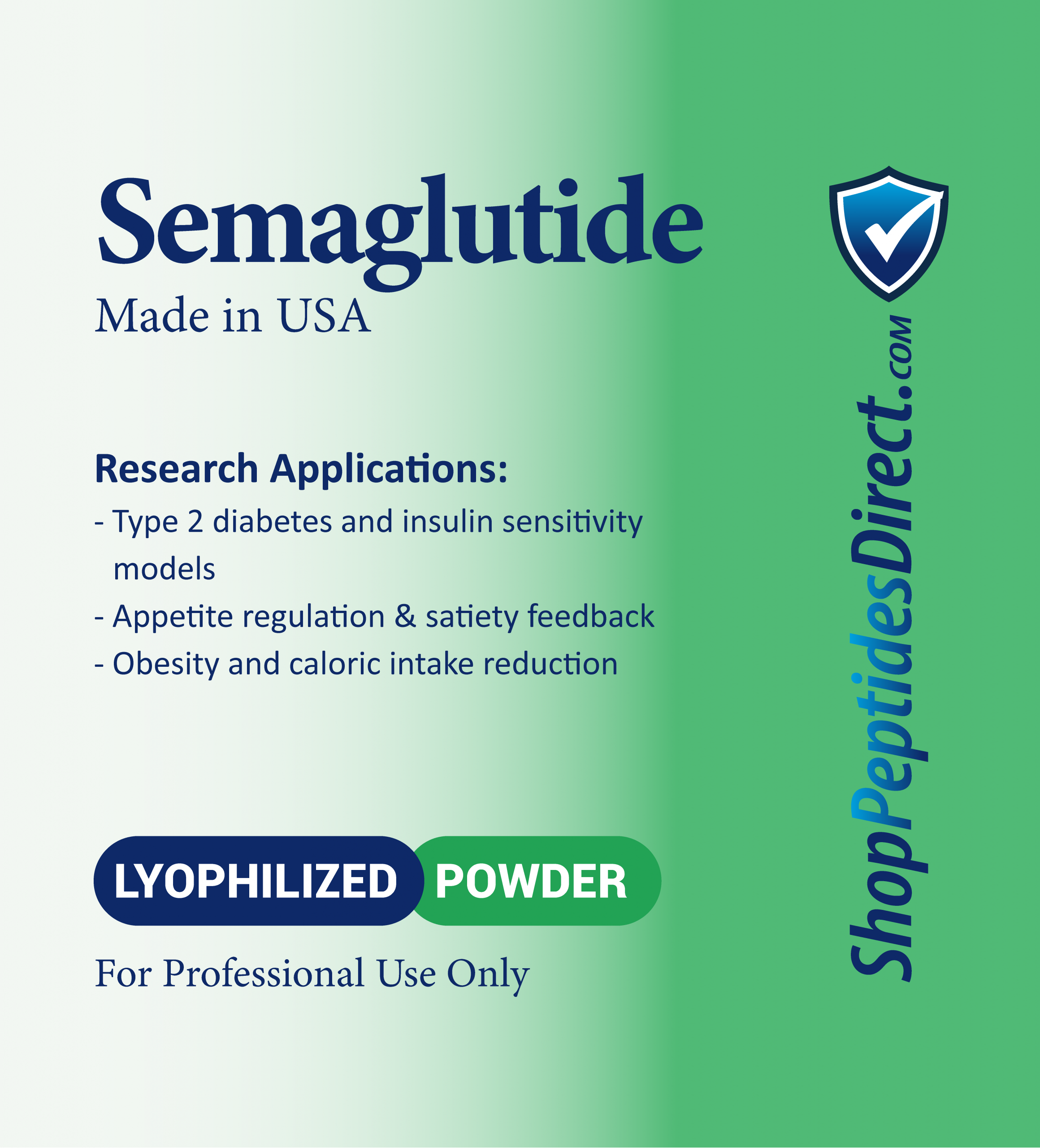
Semaglutide is a GLP-1 (glucagon-like peptide-1) receptor agonist developed for the study of metabolic regulation, glucose homeostasis, and appetite control. This research compound mimics endogenous incretin hormones to promote insulin secretion and suppress glucagon release in a glucose-dependent manner. Extensively studied for its effects on weight modulation and type 2 diabetes pathways, Semaglutide represents a cutting-edge tool for investigators exploring obesity, insulin sensitivity, and endocrine signaling.
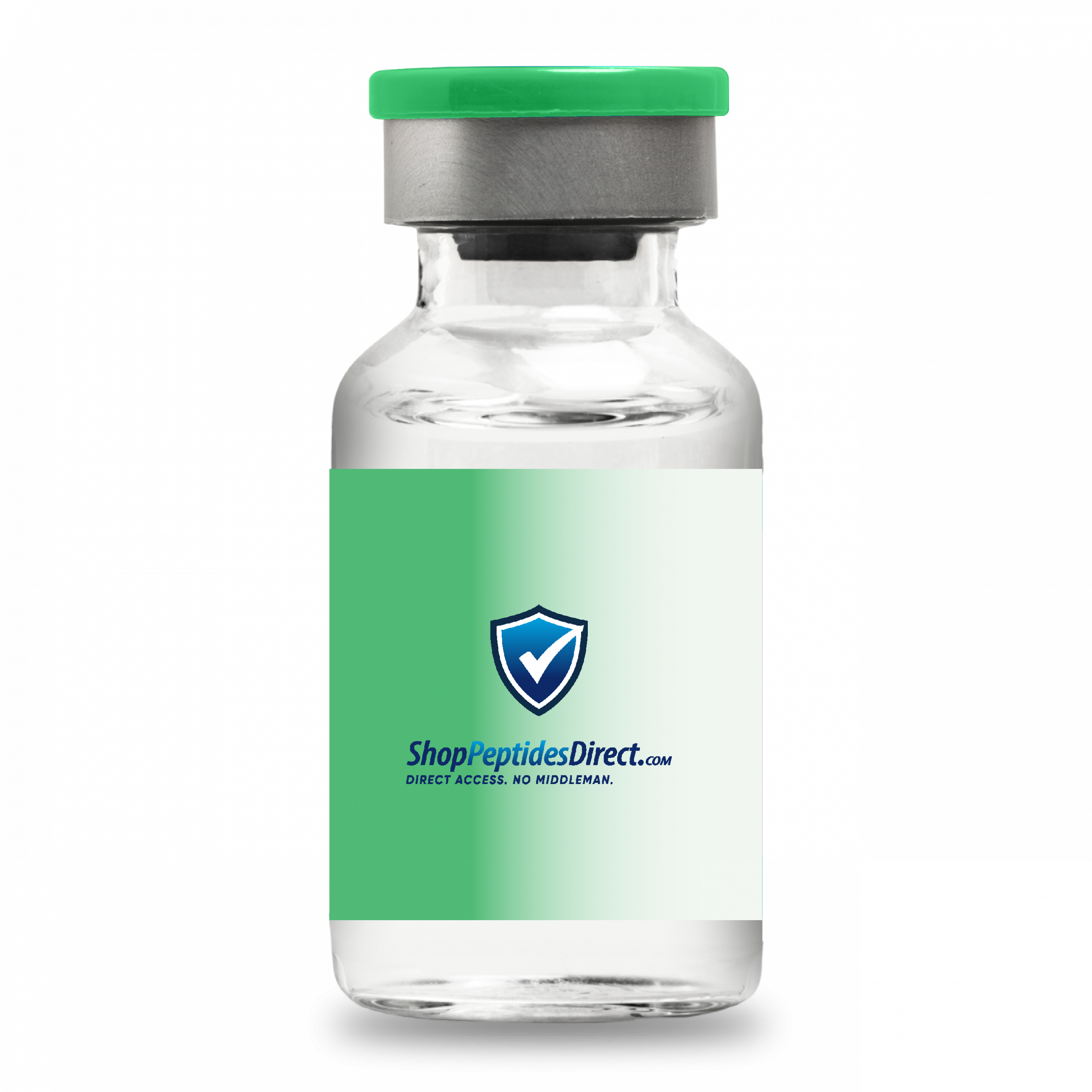
– Form: Lyophilized peptide
– Purity: ≥99%
– Origin: Manufactured and tested in the USA
– Certifications: Certificate of Analysis (COA) included with every order
Semaglutide selectively binds to and activates the GLP-1 receptor, a G protein-coupled receptor expressed in the pancreas and central nervous system. Upon activation:
– Enhances insulin secretion from pancreatic β-cells in a glucose-dependent manner
– Suppresses glucagon release during hyperglycemia
– Slows gastric emptying, leading to prolonged satiety
– Reduces appetite via central hypothalamic pathways
– Metabolic disease modeling
– Appetite and weight regulation studies
– Insulin-glucose homeostasis research
– Pancreatic β-cell activity
– Neuroendocrine signaling pathways
– Stable GLP-1 analog with extended half-life
– Consistent bioavailability in vivo and in vitro
– Well-documented clinical analog for translational studies
– High reproducibility across experimental setups
Each vial is:
– Manufactured in a GMP-compliant U.S. facility
– Accompanied by a Certificate of Analysis (COA)
– Subjected to HPLC and mass spectrometry verification
– Shipped from within the United States for quality control
– Contents: 5mg of lyophilized Semaglutide peptide
– Appearance: White/off-white powder
– Solubility: Sterile bacteriostatic water or acetic acid recommended
– Storage: Store lyophilized vial at -20°C; reconstituted solution stable up to 30 days when refrigerated
*For laboratory research use only. Not intended for human or veterinary use.*
Semaglutide is a GLP-1 receptor agonist commonly researched for its effects on glucose metabolism, insulin secretion, and appetite regulation. It is a synthetic analog of human GLP-1 with extended half-life for weekly dosing.
Semaglutide binds to GLP-1 receptors in the pancreas, brain, and GI tract. This stimulates insulin secretion, suppresses glucagon release, delays gastric emptying, and reduces appetite. These effects contribute to improved glycemic control and potential weight loss in preclinical models.
Our Semaglutide is offered as a lyophilized powder in sterile, sealed vials for laboratory research purposes only. Each batch is produced and tested in the USA.
No. Semaglutide sold by Shop Peptides Direct is strictly intended for laboratory research. It is not approved for human or veterinary use.
Lyophilized Semaglutide should be stored at -20°C in a dry environment. Once reconstituted, store at 2–8°C and use promptly, following your lab’s guidelines for stability.
Every vial is >98% pure, verified by HPLC and Mass Spectrometry. A certificate of analysis (COA) is included with each purchase.
Semaglutide is shipped in temperature-resistant packaging to maintain integrity. Cold-chain shipping is available for bulk or high-sensitivity orders upon request.
Semaglutide is often studied alongside compounds like Cagrilintide and Tirzepatide for synergistic metabolic effects. Always follow approved research protocols when combining peptides.
Visit our Lab Test Results page, select Semaglutide from the dropdown, and submit your name and email to receive the COA directly.
Our Semaglutide is U.S.-made, lab-verified, and backed by superior customer service. Fast shipping, premium purity, and research-only quality make us the preferred choice.
Semaglutide Dosage Protocol (5 mg, 10 mg, 20 mg Vials)
Quickstart Highlights
Semaglutide is a glucagon-like peptide-1 (GLP-1) receptor agonist with a prolonged half-life of approximately 7 days[1], approved for chronic weight management and glycemic control. The extended half-life enables once‑weekly subcutaneous dosing, which is the standard clinical approach[1]. This educational protocol presents a gradual weekly titration from 0.25 mg up to a maintenance dose of 2.4 mg over 16+ weeks, using a practical dilution for precise insulin‑syringe measurements.
- Multiple vial sizes: Choose from 5 mg, 10 mg, or 20 mg vials to match your protocol needs.
- Weekly dose range: 250–2400 mcg (0.25–2.4 mg) once weekly (gradual escalation protocol).
- Convenient dosing: Each vial size has optimized reconstitution for easy insulin syringe measurements.
- Storage: Lyophilized: freeze at −20 °C (−4 °F); after reconstitution, refrigerate at 2–8 °C (35.6–46.4 °F) and use within 28 days.
Dosing & Reconstitution Guide
Educational guide for all vial sizes - choose your optimal concentration
5 mg Vial Protocol (2 mL = 2.5 mg/mL)
| Week | Weekly Dose | Units (per injection) (mL) |
|---|---|---|
| Weeks 1–4 | 250 mcg (0.25 mg) | 10 units (0.10 mL) |
| Weeks 5–8 | 500 mcg (0.5 mg) | 20 units (0.20 mL) |
| Weeks 9–12 | 1000 mcg (1.0 mg) | 40 units (0.40 mL) |
| Weeks 13–16 | 1700 mcg (1.7 mg) | 68 units (0.68 mL) |
| Weeks 17+ (Maintenance) | 2400 mcg (2.4 mg) | 96 units (0.96 mL) |
Reconstitution: Add 2.0 mL bacteriostatic water → 2.5 mg/mL concentration. At this concentration, 1 unit = 0.01 mL ≈ 25 mcg on a U‑100 insulin syringe. Keeps the highest maintenance dose under 1.0 mL per injection.
10 mg Vial Protocol (3 mL = 3.33 mg/mL)
| Week | Weekly Dose | Units (per injection) (mL) |
|---|---|---|
| Weeks 1–4 | 250 mcg (0.25 mg) | 7.5 units (0.075 mL) |
| Weeks 5–8 | 500 mcg (0.5 mg) | 15 units (0.15 mL) |
| Weeks 9–12 | 1000 mcg (1.0 mg) | 30 units (0.30 mL) |
| Weeks 13–16 | 1700 mcg (1.7 mg) | 51 units (0.51 mL) |
| Weeks 17+ (Maintenance) | 2400 mcg (2.4 mg) | 72 units (0.72 mL) |
Reconstitution: Add 3.0 mL bacteriostatic water → 3.33 mg/mL concentration. At this concentration, 1 unit = 0.01 mL ≈ 33.3 mcg on a U‑100 insulin syringe. Ideal for the initial 12‑week escalation phase.
20 mg Vial Protocol (3 mL = 6.67 mg/mL)
| Week | Weekly Dose | Units (per injection) (mL) |
|---|---|---|
| Weeks 1–4 | 250 mcg (0.25 mg) | 4 units (0.04 mL) |
| Weeks 5–8 | 500 mcg (0.5 mg) | 7.5 units (0.075 mL) |
| Weeks 9–12 | 1000 mcg (1.0 mg) | 15 units (0.15 mL) |
| Weeks 13–16 | 1700 mcg (1.7 mg) | 25.5 units (0.255 mL) |
| Weeks 17+ (Maintenance) | 2400 mcg (2.4 mg) | 36 units (0.36 mL) |
Reconstitution: Add 3.0 mL bacteriostatic water → 6.67 mg/mL concentration. At this concentration, 1 unit = 0.01 mL ≈ 66.7 mcg on a U‑100 insulin syringe. Most efficient vial size for longer protocols.
Reconstitution Steps (All Vial Sizes)
- Draw appropriate volume of bacteriostatic water with a sterile syringe.
- Inject slowly down the vial wall to minimize foaming; avoid shaking.
- Gently swirl or roll the vial until the powder is fully dissolved.
- Label the vial with the reconstitution date and refrigerate at 2–8 °C (35.6–46.4 °F), protected from light.
- Use reconstituted solution within 28 days for maximum potency and safety[8].
Supplies Needed
Plan based on an 8–20 week weekly titration protocol.
- Peptide Vials (Semaglutide): Choose your preferred vial size (5 mg, 10 mg, or 20 mg).
- Insulin Syringes (U‑100, 1 mL):
- Per week: 1 syringe
- 8 weeks: 8 syringes
- 12 weeks: 12 syringes
- 16 weeks: 16 syringes
- 20 weeks: 20 syringes
- Bacteriostatic Water (10 mL bottles): Volume depends on vial size and reconstitution.
- Alcohol Swabs: One for the vial stopper + one for the injection site each week.
- Per week: 2 swabs
- 8 weeks: 16 swabs
- 12 weeks: 24 swabs
- 16 weeks: 32 swabs
- 20 weeks: 40 swabs → recommend 1 × 100‑count box
Protocol Overview
Concise summary of the once‑weekly regimen.
- Goal: Support chronic weight management through GLP‑1 receptor activation, leading to reduced appetite and improved metabolic parameters[1].
- Schedule: Weekly subcutaneous injections for 16–20+ weeks with gradual dose escalation.
- Dose Range: 250 mcg (0.25 mg) to 2400 mcg (2.4 mg) weekly with stepwise titration every 4 weeks to improve tolerability.
- Vial Options: 5 mg, 10 mg, or 20 mg vials with optimized reconstitution for each size.
- Storage: Lyophilized frozen at −20 °C (−4 °F); reconstituted refrigerated at 2–8 °C (35.6–46.4 °F); use within 28 days.
Dosing Protocol
Suggested weekly titration approach based on clinical approval and studies[1][3].
- Weeks 1–4: 250 mcg (0.25 mg) once weekly to establish baseline tolerance.
- Weeks 5–8: 500 mcg (0.5 mg) once weekly.
- Weeks 9–12: 1000 mcg (1.0 mg) once weekly.
- Weeks 13–16: 1700 mcg (1.7 mg) once weekly.
- Weeks 17+ (Maintenance): 2400 mcg (2.4 mg) once weekly as target maintenance dose.
- Frequency: Once per week (subcutaneous injection).
- Timing: Administer on the same day each week at any time; rotate injection sites to reduce local irritation.
Storage Instructions
Proper storage preserves peptide quality and efficacy[7][8].
- Lyophilized (powder): Store at −20 °C (−4 °F) in a cool, dry place protected from light. For short‑term storage (under a few months), 2–8 °C (35.6–46.4 °F) refrigeration is acceptable[7].
- Reconstituted (solution): Refrigerate at 2–8 °C (35.6–46.4 °F) and do not freeze[8].
- Shelf life: Use reconstituted solution within 28 days for maximum potency and safety; the benzyl alcohol in bacteriostatic water inhibits bacterial growth but solutions should still be discarded after approximately 4 weeks[9].
- Allow vials to reach room temperature before opening to minimize condensation uptake.
Important Notes
Practical considerations for consistency and safety.
- Use new sterile insulin syringes for each injection; dispose in a proper sharps container[11].
- Rotate injection sites systematically (abdomen, thighs, upper arms) to reduce local irritation and avoid lipohypertrophy[10].
- Inject slowly and steadily; wait a few seconds before withdrawing the needle to ensure complete delivery.
- Administer on the same day each week for consistency; if a dose is missed, take it as soon as possible within 5 days of the missed dose[4].
- GLP‑1 receptor agonists may cause gastrointestinal side effects (nausea, vomiting); gradual dose escalation helps minimize these effects[1][3].
- The 20 mg vial size provides excellent economy for weekly dosing, with a single vial lasting 16+ weeks through the escalation phase.
How This Works
Semaglutide is a GLP‑1 receptor agonist with 94% sequence homology to native human GLP‑1[4]. It promotes weight loss through multiple mechanisms: reducing appetite and food intake via central nervous system effects, slowing gastric emptying, and improving glycemic control through glucose‑dependent insulin secretion[1][3]. The extended half‑life of approximately 7 days is due to albumin binding and resistance to DPP‑4 degradation, enabling convenient once‑weekly dosing[1]. Clinical trials have demonstrated significant weight loss (mean 10–15% body weight reduction) in individuals with obesity when combined with lifestyle interventions[1][5]. The weekly 2.4 mg maintenance dose is FDA‑approved for chronic weight management and represents the standard clinical approach[3][4].
Potential Benefits & Side Effects
Observations from clinical literature and regulatory approvals[1][3][5].
Potential Benefits:
- Significant weight loss: Mean 10–15% body weight reduction in clinical trials at 2.4 mg weekly dose when combined with lifestyle modifications[1][5].
- Improved glycemic control: Through enhanced glucose‑dependent insulin secretion and reduced glucagon secretion[3].
- Reduced appetite and food intake: Via central nervous system GLP‑1 receptor activation[1].
- Cardiovascular benefits: Demonstrated in outcome trials, including reduced risk of major adverse cardiovascular events[6].
- Convenient once‑weekly dosing: Improves adherence compared to daily regimens[1].
Potential Side Effects:
- Gastrointestinal effects (most common): Nausea, vomiting, diarrhea, constipation, abdominal pain—typically mild to moderate and decreasing with gradual dose escalation[1][3].
- Injection‑site reactions: Redness, swelling, or irritation (generally mild and transient)[11].
- Hypoglycemia risk: When combined with insulin or sulfonylureas—less common with semaglutide monotherapy due to glucose‑dependent mechanism[3].
- Rare serious adverse events: Pancreatitis, gallbladder disease, acute kidney injury; thyroid C‑cell tumors observed in rodent studies (relevance to humans uncertain)[4].
Lifestyle Factors
Complementary strategies for optimal outcomes with GLP‑1 therapy[1][5].
- Maintain a balanced, calorie‑controlled diet with adequate protein intake (1.2–1.6 g/kg body weight) to preserve lean muscle mass during weight loss.
- Combine regular physical activity including both resistance training (2–3 days per week) and aerobic exercise (150+ minutes per week) to reinforce metabolic adaptations and improve body composition.
- Prioritize consistent sleep (7–9 hours nightly) and effective stress management to support adherence and metabolic health.
- Stay well‑hydrated (8–10 glasses of water daily), especially if experiencing gastrointestinal side effects.
- Monitor progress through regular weigh‑ins, body measurements, photos, and consultation with healthcare providers.
- Consider working with a registered dietitian for personalized nutrition guidance during weight loss.
Injection Technique
General subcutaneous injection guidance from clinical best‑practice resources[10][11][12].
- Clean the vial stopper and chosen skin site with separate alcohol swabs; allow both to dry completely before proceeding[11].
- Pinch a fold of skin between your fingers; insert the needle at a 45–90° angle into the subcutaneous tissue (fatty layer, not muscle)[10][12].
- Do not aspirate (pull back the plunger) when giving a subcutaneous injection[10].
- Inject the solution slowly and steadily; wait at least 6 seconds after injection before withdrawing the needle to ensure complete delivery and minimize leakage.
- Withdraw the needle and apply light pressure with a clean swab; avoid rubbing vigorously.
- Rotate injection sites systematically (abdomen, thighs, upper arms) with each weekly injection to prevent lipohypertrophy and maintain consistent absorption[11].
- Dispose of used syringes and needles immediately in a proper FDA‑approved sharps container[12].
Recommended Source
We recommend Shop Peptides Direct for high‑purity Semaglutide in all vial sizes (5 mg, 10 mg, 20 mg).
Why Shop Peptides Direct?
- High‑purity, third‑party‑tested peptides with batch‑specific Certificates of Analysis (COAs).
- Consistent, ISO‑aligned handling and quality documentation.
- Reliable fulfillment with cold‑chain integrity to preserve peptide stability.
- Transparent testing and verification processes for research‑grade peptides.
- Multiple vial sizes to match different protocol needs and durations.
Important Note
This content is for educational purposes only and is not medical advice. Semaglutide is for research use only. Not for human consumption. Always consult with qualified professionals before starting any peptide research protocol.
References
-
PMC – Once‑Weekly Semaglutide for Weight Management: A Clinical Review — Comprehensive review of semaglutide’s mechanism, efficacy, and safety in weight management (clinical data, half‑life, GLP‑1 receptor activation, weekly dosing)
-
PubMed – Semaglutide for Weight Loss in Obesity — Clinical trial data on semaglutide efficacy and safety for chronic weight management
-
NCBI Bookshelf – Semaglutide (StatPearls) — Comprehensive pharmacology, clinical uses, dosing strategies, adverse effects, and contraindications for semaglutide
-
Mayo Clinic – Semaglutide (Subcutaneous Route) — Clinical guidance on semaglutide administration, side effects, dosing, and patient information including weekly protocol
-
PMC – Semaglutide 2.4 mg for Weight Loss: Clinical Evidence — Evidence‑based review of semaglutide 2.4 mg weekly maintenance dosing and clinical outcomes in obesity treatment
-
PubMed – Cardiovascular Outcomes with Semaglutide — Long‑term cardiovascular safety and benefits observed in semaglutide clinical trials
-
Dripdok – The Ultimate Guide to Storing Peptides — Best practices for peptide storage: temperature requirements, lyophilized vs. reconstituted storage, avoiding degradation
-
Wittmer Rejuvenation Clinic – How to Mix Semaglutide with Bacteriostatic Water — Practical guide for reconstituting semaglutide with bacteriostatic water, storage after reconstitution, and 28‑day use guidelines
-
Prime Peptides – How Much Bacteriostatic Water to Add to Peptides — Guidelines for bacteriostatic water reconstitution volumes, concentration calculations, and 28‑day shelf life after opening
-
CDC – Vaccine Administration: Subcutaneous Route — Clinical guidelines for subcutaneous injection technique, angle of insertion, site selection, and no‑aspiration protocol
-
Johns Hopkins Arthritis Center – How to Give a Subcutaneous Injection — Step‑by‑step patient education on subcutaneous injection technique, site rotation, hygiene, and disposal
-
CDC – How to Administer Intramuscular and Subcutaneous Vaccine Injections — Comprehensive injection technique guidelines, safety protocols, sharps disposal, and site‑specific recommendations
RELATED PRODUCTS
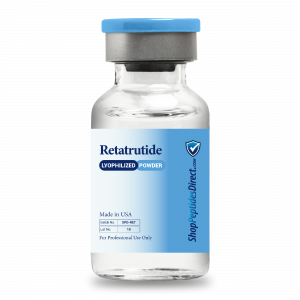

Retatrutide
 View Certificate

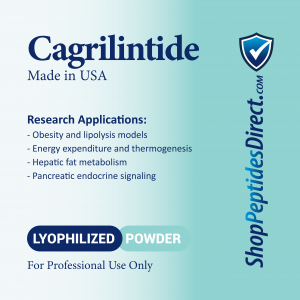
Cagrilintide
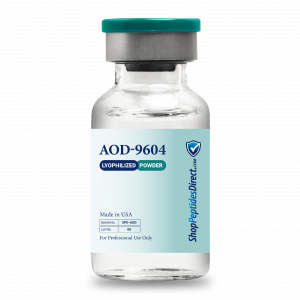
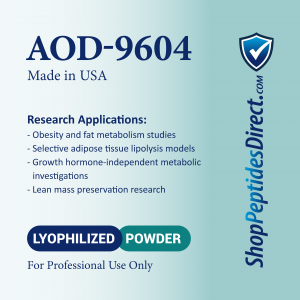
AOD-9604
View Certificate
Tesofensine

MOTS-c
View Certificate
Reviews
There are no reviews yet.