

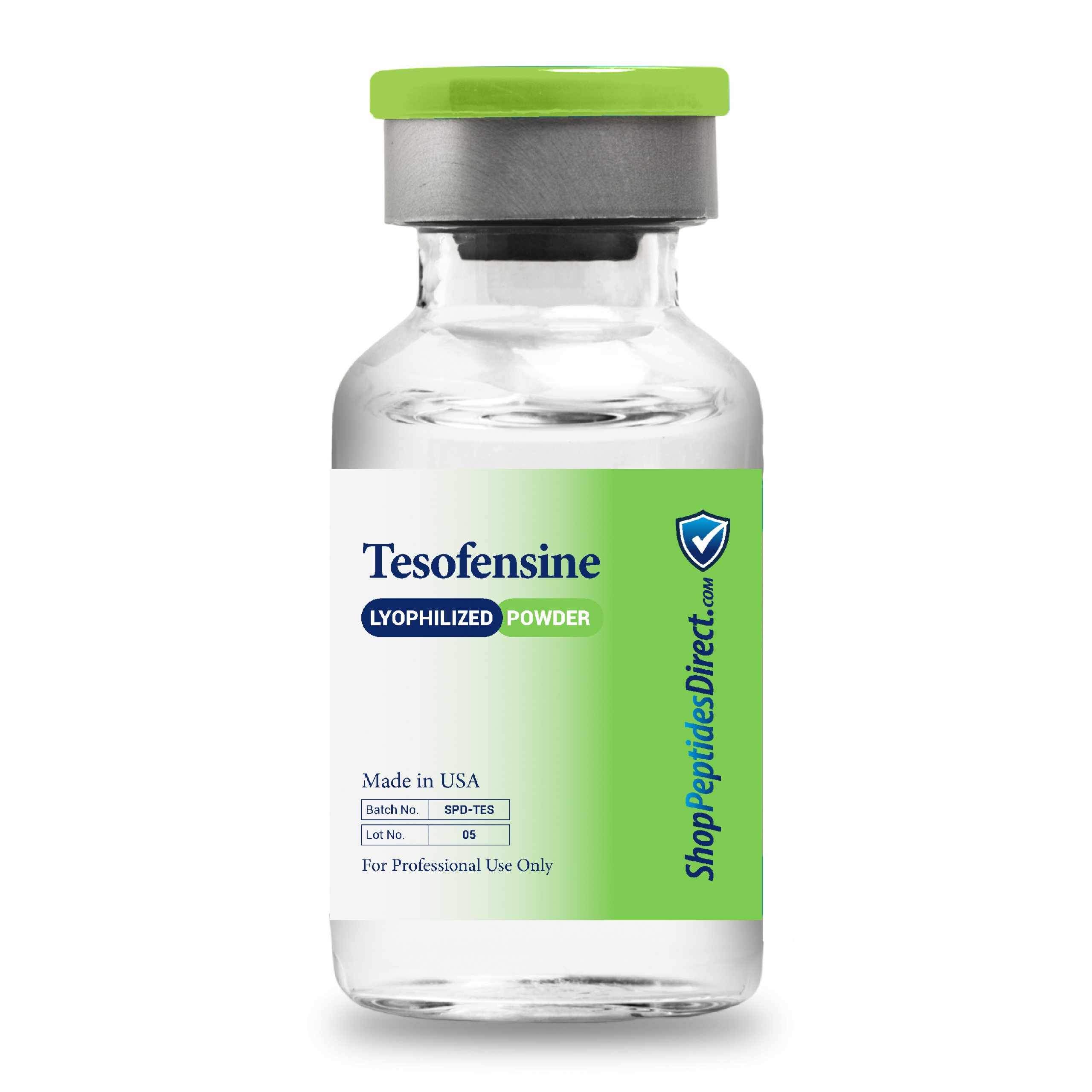
Tesofensine
Tesofensine is a centrally acting monoamine reuptake inhibitor that enhances dopamine, serotonin, and norepinephrine signaling to effectively modulate the brain’s appetite and satiety centers, making it a potent candidate for obesity research and weight loss.1
$0.00

-
 3rd Party CoA
-
Quality guaranteed
-
Shipped within 24 hours
-
99% Purified
Tesofensine is a centrally acting monoamine reuptake inhibitor that modulates the brain’s satiety and appetite regulation centers. Originally developed for neurodegenerative diseases, it was later repurposed for obesity research due to its potent effects on weight loss and caloric intake reduction. Tesofensine’s mechanism involves the inhibition of dopamine, serotonin, and norepinephrine reuptake, enhancing neurotransmitter signaling in appetite and reward pathways.
– Form: Lyophilized or powdered research compound
– Purity: ≥99%
– Origin: Manufactured and tested in the USA
– Certifications: Certificate of Analysis (COA) included with every order
Tesofensine works by:
– Inhibiting the presynaptic reuptake of dopamine, norepinephrine, and serotonin
– Enhancing satiety signaling in the hypothalamus
– Reducing appetite and food cravings via central nervous system activation
– Potentially increasing resting energy expenditure
– Influencing reward circuitry linked to feeding behavior
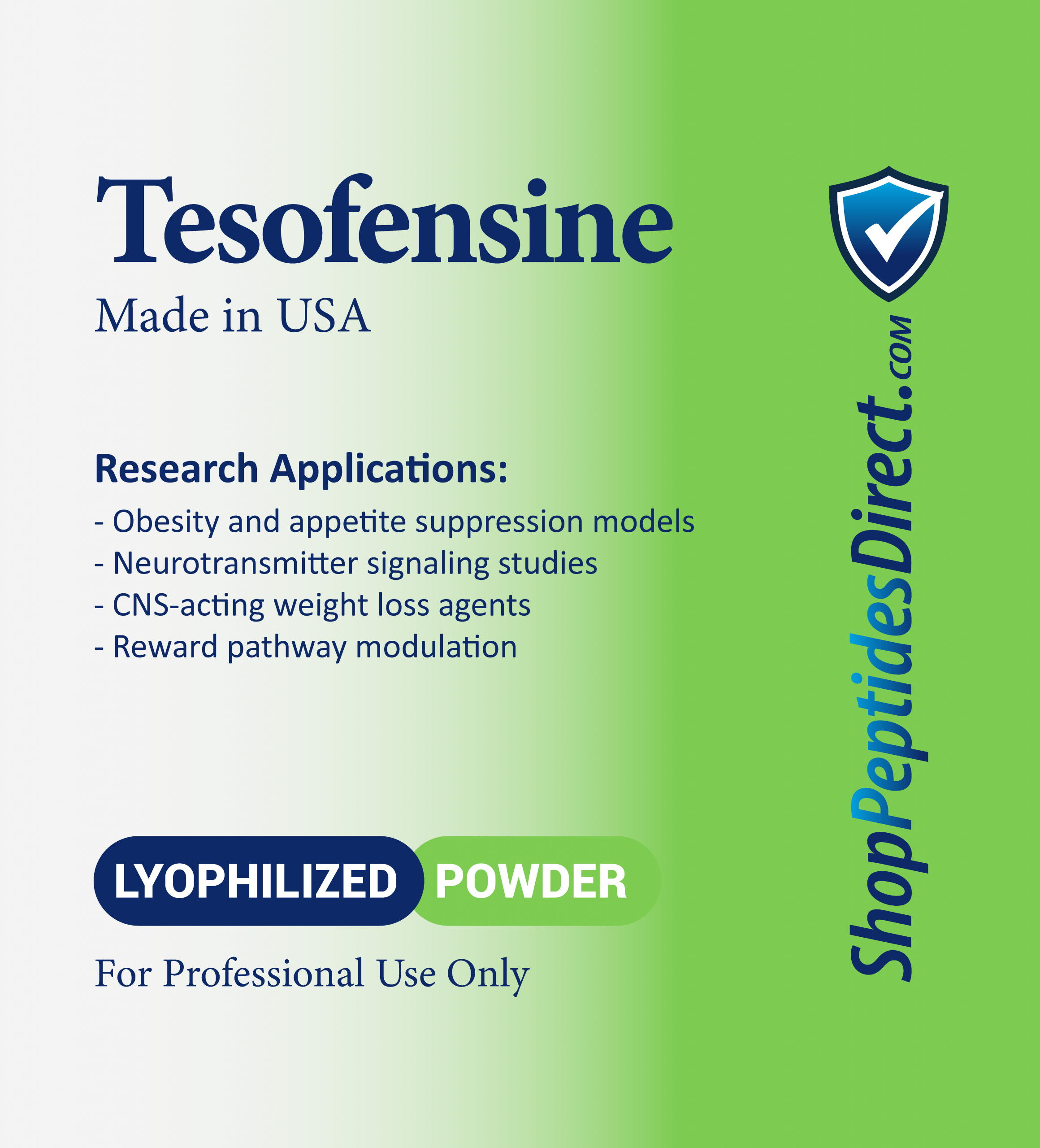
– Obesity and appetite suppression models
– Neurotransmitter signaling studies
– CNS-acting weight loss agents
– Reward pathway modulation
– Investigational therapies for binge eating or metabolic slowdown
– Highly potent central appetite suppressant
– Targets three major monoamine systems simultaneously
– Well-characterized pharmacokinetics in clinical and preclinical models
– Valuable for translational obesity and neuroendocrine studies
Each vial is:
– Manufactured in a GMP-compliant U.S. facility
– Accompanied by a Certificate of Analysis (COA)
– Subjected to HPLC and mass spectrometry verification
– Shipped from within the United States for quality control
– Contents: 5mg of lyophilized Tesofensine or powdered compound
– Appearance: White to off-white powder
– Solubility: DMSO or ethanol for in vitro studies; consult research protocols
– Storage: Store at -20°C in a desiccated environment; protect from light
*For laboratory research use only. Not intended for human or veterinary use.*
Tesofensine is a centrally acting triple monoamine reuptake inhibitor (MRI) that affects dopamine, norepinephrine, and serotonin pathways. Originally researched for neurodegenerative conditions, it is now primarily studied for its appetite-suppressing and weight-loss properties in metabolic and obesity research models.
Tesofensine blocks the reuptake of dopamine, norepinephrine, and serotonin in the brain, leading to enhanced signaling of these neurotransmitters. This elevation in monoamine activity has been shown in research models to reduce appetite, increase energy expenditure, and promote fat loss.
Shop Peptides Direct offers Tesofensine as a high-purity lyophilized powder for laboratory research only. Each vial is manufactured in the USA under sterile, controlled lab conditions to ensure safety and consistency.
Store lyophilized Tesofensine at -20°C in a dry, light-protected area. Once reconstituted, keep it refrigerated at 2–8°C and use within your lab’s specified timeframe for optimal performance.
Each batch of Tesofensine is ≥98% pure, as verified by HPLC and Mass Spectrometry. A Certificate of Analysis (COA) accompanies every vial, ensuring you have full transparency into your research material.
Yes. Tesofensine is stable under normal shipping conditions, but cold-chain options are available upon request for labs requiring additional handling care.
In laboratory settings, Tesofensine is sometimes studied alongside metabolic agents or appetite regulators to evaluate combined effects on body weight, food intake, and mood. Always follow institutional protocols for multi-agent studies.
Visit the Lab Test Results page on our website, choose Tesofensine from the dropdown, and provide your email address. We’ll send you the COA for your specific batch instantly.
We provide ≥98% pure, U.S.-manufactured Tesofensine that is lab-verified and COA-backed. Fast shipping, a Price Match Guarantee, and reliable support ensure your lab gets research-grade material you can trust—at the best value.
Tesofensine · Human Dosage Protocols (Clinical-Trial–Based Educational Overview)
Quickstart Highlights
Compound: Tesofensine (oral small-molecule investigated for obesity)
Most cited human dosing: 0.25 mg, 0.5 mg, or 1.0 mg once daily
Trial duration (landmark study): 24 weeks with structured energy restriction
Half-life: ~8 days (supports once-daily dosing in trials)
Regulatory status (U.S.): Not FDA-approved
This page summarizes published human trial dosing only. It does not provide medical recommendations.
Dosing Protocol (Human Clinical Trials)
Phase II Obesity Trial – 24 Week Structure
Phase II Obesity Trial – 24 Week Structure
The most frequently cited dosing structure comes from a randomized, placebo-controlled trial evaluating tesofensine in individuals with obesity.
| Dose Arms Studied | Duration | Adjunct |
|---|---|---|
| 0.25 mg orally once daily 0.5 mg orally once daily 1.0 mg orally once daily |
24 weeks | Energy-restricted diet after a run-in period |
These were fixed daily doses — no loading phase, no titration ladder was built into the primary study design. A dose-response relationship was observed, with higher doses generally producing greater weight loss over the 24-week period.
Pharmacokinetics & Dosing Rationale
Understanding the half-life helps explain the daily dosing structure.
- Reported elimination half-life: approximately 8 days
- This long half-life supports: once-daily oral dosing, gradual steady-state accumulation, persistent pharmacodynamic effect.
- Because of the extended half-life: plasma concentrations build slowly, dose adjustments (in theory) would not produce rapid shifts, adverse effects may also take time to fully manifest.
Storage & Handling (General Educational)
Because tesofensine in trials was administered as an oral capsule/tablet:
- Stored at controlled room temperature per investigational protocol
- No reconstitution required
- No injection protocols applicable
Protocol Overview
Human Dosing: What Is Established vs. Not Established
Established in Clinical Trials
- Oral dosing
- 0.25–1.0 mg daily
- 24-week duration
- Dietary intervention pairing
Not Established
- Long-term (>1 year) safety
- Maintenance dosing standards
- Off-label human use protocols
- Bodybuilding or non-clinical dosing claims
Dose–Response Observations
Across the 24-week trial:
- 0.25 mg daily → modest weight reduction vs placebo
- 0.5 mg daily → clinically meaningful weight reduction
- 1.0 mg daily → greater weight reduction but increased side-effect frequency
The middle dose (0.5 mg) is often cited in literature discussions as a potential balance between efficacy and tolerability, though this is observational commentary, not prescribing guidance.
Storage Instructions
- Controlled room temperature (per investigational protocol)
- Protect from excessive moisture and heat
- No refrigeration needed for oral solid formulations
- Keep in original container until use
Important Clinical Context
- Tesofensine has not been approved by the FDA for obesity treatment.
- A combination concept (tesofensine + metoprolol) has received orphan drug designation for Prader-Willi Syndrome, but this does not constitute approval.
- The landmark obesity trial carries an Expression of Concern in PubMed, meaning results should be interpreted cautiously in scientific discussions.
Mechanistic Overview (Educational)
Tesofensine was originally studied in neurodegenerative disease contexts before being explored for weight management.
Mechanistically, it is described as a monoamine reuptake inhibitor, affecting:
- Dopamine
- Norepinephrine
- Serotonin
In weight-management trials, its primary investigational role involved:
- Appetite regulation
- Reduced caloric intake
- Altered reward-driven feeding behavior
It is not a GLP-1 analog and does not function via incretin pathways.
Benefits & Risks (Clinical Study Framing)
Observed Benefits in Trials
- Dose-dependent weight reduction
- Improvements in waist circumference
- Appetite reduction
Observed Risks
- Sympathetic activation (heart rate increase)
- Gastrointestinal symptoms
- Sleep disturbance
- Dry mouth
- Risk increased at higher dose arms
Lifestyle Factors
Who It Was Studied In
The primary obesity trial involved:
- Adults with obesity
- Structured dietary intervention
- Controlled monitoring setting
It was not studied in:
- Pediatric populations
- Cardiovascular-unstable patients
- Long-term open population settings
Comparative Positioning
Tesofensine differs from:
- GLP-1 receptor agonists → incretin-based appetite modulation
- GIP/GLP dual agonists → metabolic hormone modulation
- Sympathomimetic stimulants → shorter half-life stimulant models
Its long half-life and monoamine modulation profile make it pharmacologically distinct.
Recommended Source
When researching investigational compounds:
- Prioritize peer-reviewed clinical trial data
- Verify purity and documentation for research-grade materials
- Ensure compliance with local regulations
- Tesofensine is not approved for human use; handle only in controlled research settings
Important Note
This content is for educational purposes only and is not medical advice. Tesofensine is for research use only. Not for human consumption. Always consult with qualified professionals before starting any research protocol.
References (Educational Citations)
-
Landmark Phase II trial — Randomized placebo-controlled obesity trial, 24‑week duration, tesofensine 0.25, 0.5, 1.0 mg daily.
-
Pharmacokinetic characterization — Long half‑life (~8 days) and monoamine reuptake inhibition profile.
-
Safety analysis — Cardiovascular monitoring, heart rate increases, adverse event reporting.
-
Orphan drug designation — Tesofensine + metoprolol for Prader‑Willi syndrome (does not indicate approval for obesity).
RELATED PRODUCTS
Tirzepatide
 View Certificate

Retatrutide
View Certificate
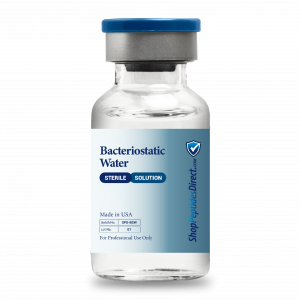

Bacteriostatic Water
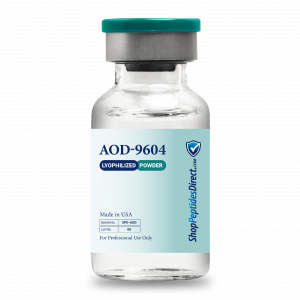
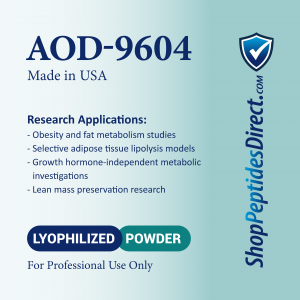
AOD-9604
View Certificate
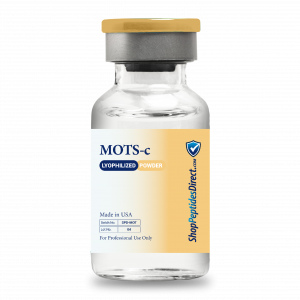

MOTS-c
View Certificate
Reviews
There are no reviews yet.