

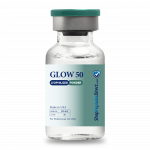
KLOW (With TB-500)
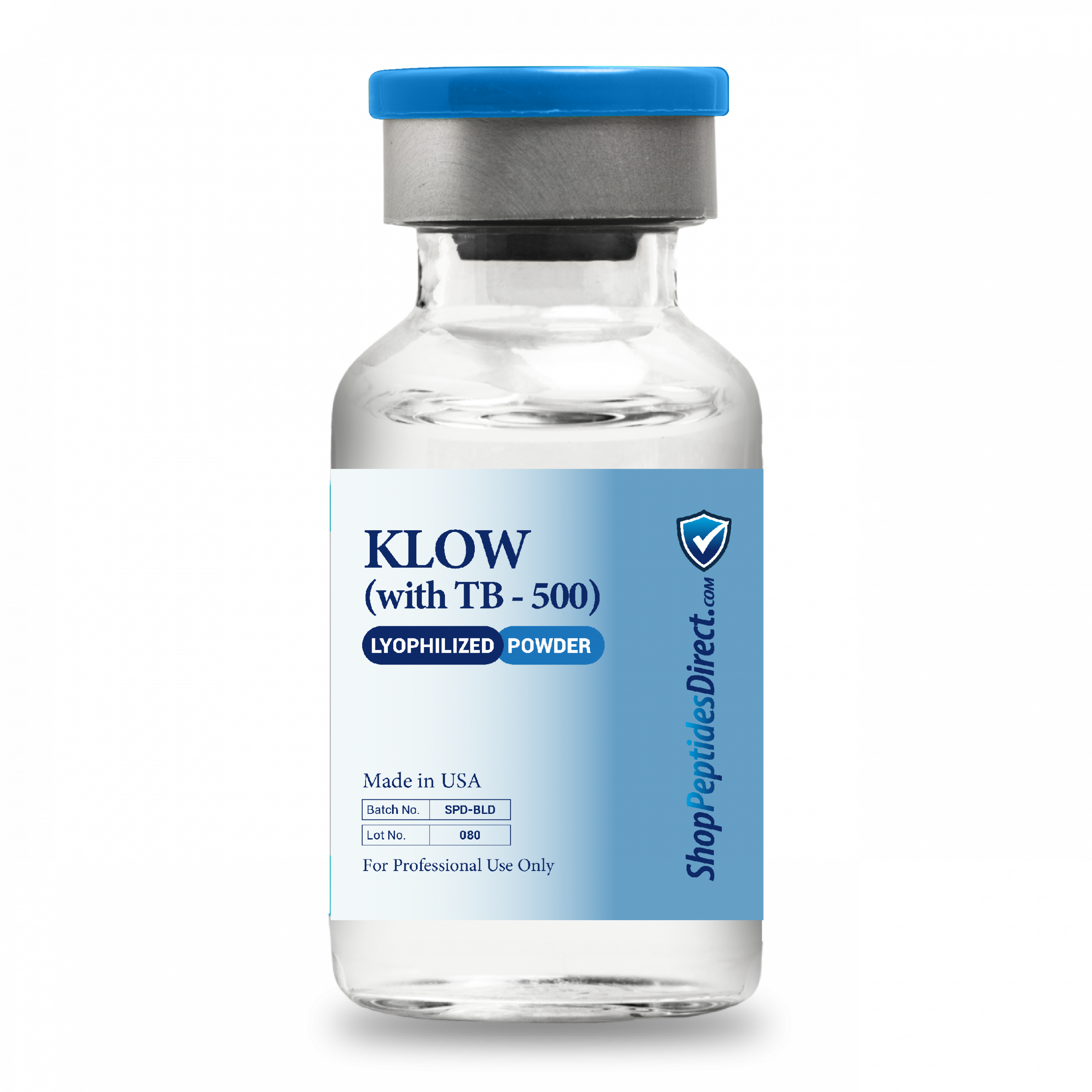
KLOW is an advanced multi-component research peptide formulation integrating four structurally distinct peptides into a single lyophilized vial: BPC-157 (10mg), GHK-Cu (50mg), TB-500 (10mg), and KPV (10mg).
$124.99

-
 3rd Party CoA
-
Quality guaranteed
-
Shipped within 24 hours
-
99% Purified
KLOW is an advanced multi-component research peptide formulation integrating four structurally distinct peptides into a single lyophilized vial: BPC-157 (10mg), GHK-Cu (50mg), TB-500 (10mg), and KPV (10mg).
This structured blend is designed for laboratory investigators examining cellular signaling cascades, extracellular matrix dynamics, cytoskeletal protein interaction, inflammatory signaling pathways, and integrated peptide interaction models.
By combining peptides with complementary mechanistic research profiles, KLOW allows for structured investigation into overlapping and coordinated biological signaling systems within controlled laboratory environments.
Each component contributes a distinct area of pathway investigation:
- BPC-157 – Studied in cytoprotective signaling and nitric oxide pathway research models
- GHK-Cu – A copper-binding tripeptide investigated in gene expression and extracellular matrix signaling frameworks
- TB-500 – A thymosin beta-4 analog studied for actin-binding protein interaction and cytoskeletal regulation
- KPV – A tripeptide fragment (Lysine-Proline-Valine) investigated for its role in immune signaling modulation research
The integration of these peptides into one formulation allows researchers to explore multi-pathway interaction within a unified experimental structure.
Product Details:
– Form: Lyophilized multi-peptide formulation
– Composition:
• BPC-157 – 10mg
• GHK-Cu – 50mg
• TB-500 – 10mg
• KPV – 10mg
– Purity: ≥99% (component-level HPLC verified)
– Manufacturing Standard: Controlled laboratory production
– Certificate of Analysis (COA): Available upon request
– Intended Use: Laboratory research only
KLOW combines four peptides that interact with distinct but potentially complementary biological signaling systems.
BPC-157
BPC-157 is studied in laboratory environments for its interaction with nitric oxide signaling pathways and cellular response regulation models.
GHK-Cu
GHK-Cu is a copper-binding tripeptide investigated for its influence on gene expression patterns, extracellular matrix protein research, and structural signaling cascades.
TB-500
TB-500, a thymosin beta-4 analog, is studied for its interaction with actin-binding proteins and cytoskeletal modulation pathways in cellular migration models.
KPV
KPV is a naturally derived tripeptide fragment studied in laboratory settings for its role in inflammatory signaling pathway research and immune response modulation models.
Integrated Research Framework
The structured combination of these four peptides allows researchers to examine:
- Multi-layered signaling cascade interaction
- Cytoskeletal and extracellular matrix coordination
- Gene expression pathway modulation
- Immune signaling research models
- Peptide synergy and combinatory investigations
All investigations must comply with institutional laboratory standards and applicable regulatory frameworks.
KLOW is utilized in laboratory environments for investigation into:
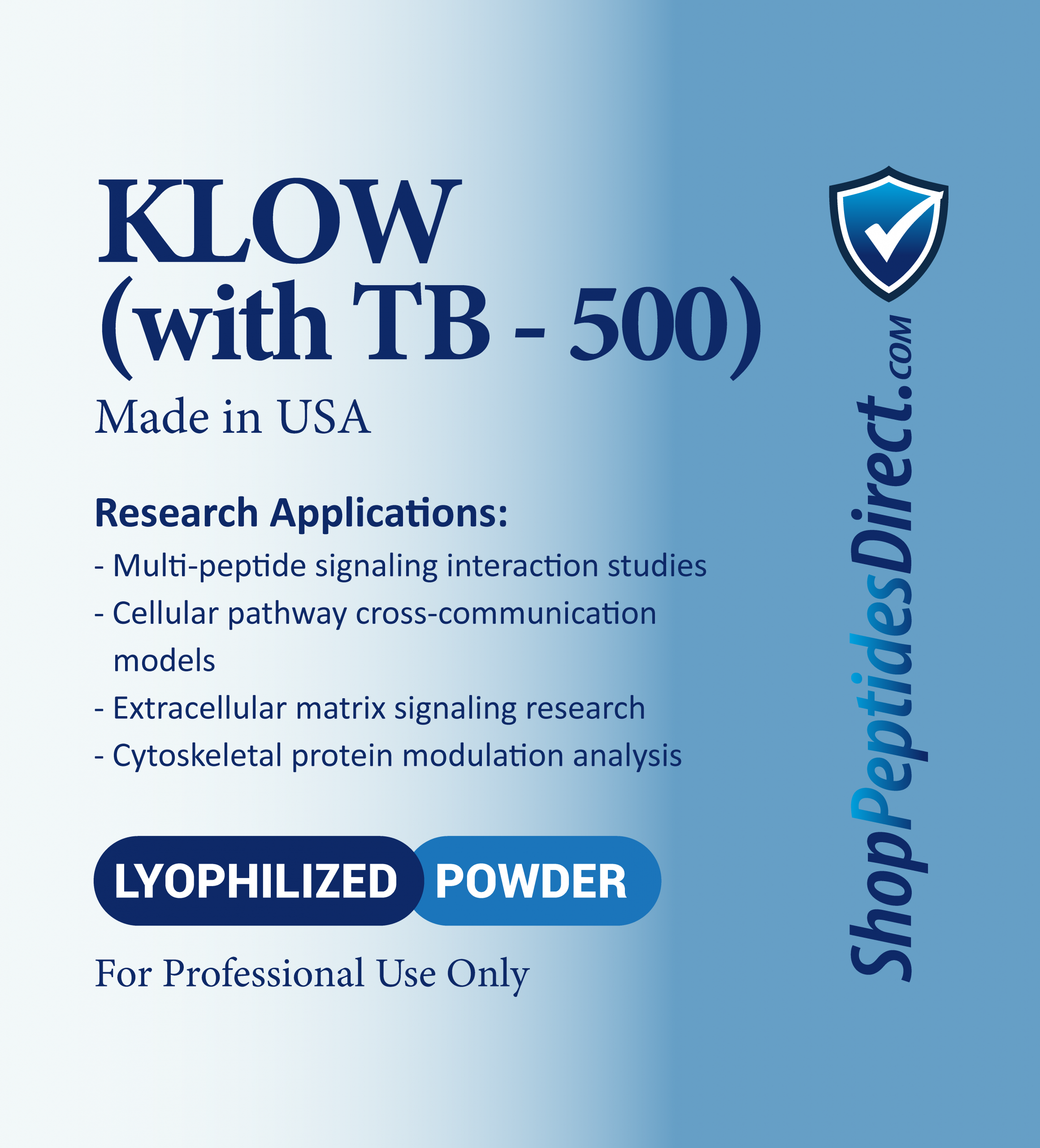
- Multi-peptide signaling interaction studies
- Cellular pathway cross-communication models
- Extracellular matrix signaling research
- Cytoskeletal protein modulation analysis
- Immune signaling pathway research
- Integrated biological response frameworks
This formulation supports structured evaluation of how diverse peptide classes interact within complex research systems.
Researchers select advanced multi-peptide formulations such as KLOW for:
- Evaluation of multi-pathway synergy
- Controlled combinatory research design
- Consolidated experimental handling
- Integrated receptor and protein interaction modeling
- Reduced variability from separate peptide sourcing
The single-vial structure allows streamlined experimental workflow while maintaining component-level analytical integrity.
Each peptide component within KLOW undergoes analytical verification including:
- High-Performance Liquid Chromatography (HPLC) purity testing
- Identity confirmation analysis
- Batch-level traceability documentation
- Controlled lyophilization procedures
- Sterile sealed vial packaging
Certificates of Analysis are available upon request to verify analytical standards and batch integrity.
KLOW is supplied as a sterile lyophilized multi-peptide powder.
Storage Guidelines:
- Store refrigerated at 2–8°C
- Protect from direct light
- Avoid repeated freeze-thaw exposure
- Maintain proper laboratory handling protocols
This compound is supplied in dry lyophilized form and is not pre-reconstituted.
This product is intended strictly for laboratory research purposes only.
It is not intended for human consumption, veterinary use, therapeutic application, cosmetic application, or diagnostic purposes.
By purchasing this product, the buyer affirms compliance with all applicable research and regulatory standards.
KLOW is a four-component multi-peptide research formulation containing BPC-157 (10mg), GHK-Cu (50mg), TB-500 (10mg), and KPV (10mg), supplied in lyophilized form for laboratory research.
KLOW includes an additional peptide component, KPV (10mg), expanding its research scope to include inflammatory signaling pathway investigation alongside extracellular matrix and cytoskeletal research models.
It is supplied as a sterile lyophilized powder containing all four peptides in defined quantities.
No. KLOW is strictly for laboratory research use only.
Store refrigerated at 2–8°C, protected from light, and handled according to laboratory best practices.
Each component is verified to ≥99% purity through HPLC testing. COA documentation is available upon request.
Combination research must adhere to institutional and regulatory guidelines. Researchers are responsible for experimental design and compliance.
COA documentation may be requested by contacting support and referencing your order details.
Shop Peptides Direct prioritizes batch-level analytical verification, structured sourcing, transparent documentation, and research-focused quality standards.
RELATED PRODUCTS
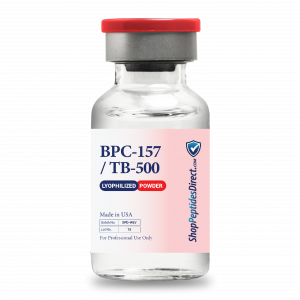
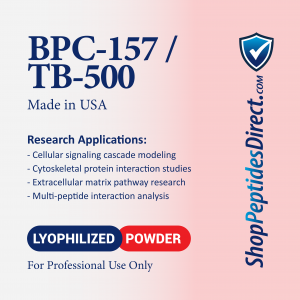
BPC-157 / TB-500
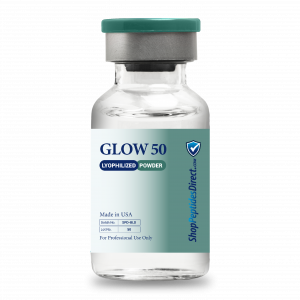
GLOW50
GLOW70
LC120
Reviews
There are no reviews yet.